
Native Plant Communities at the Demonstration Garden
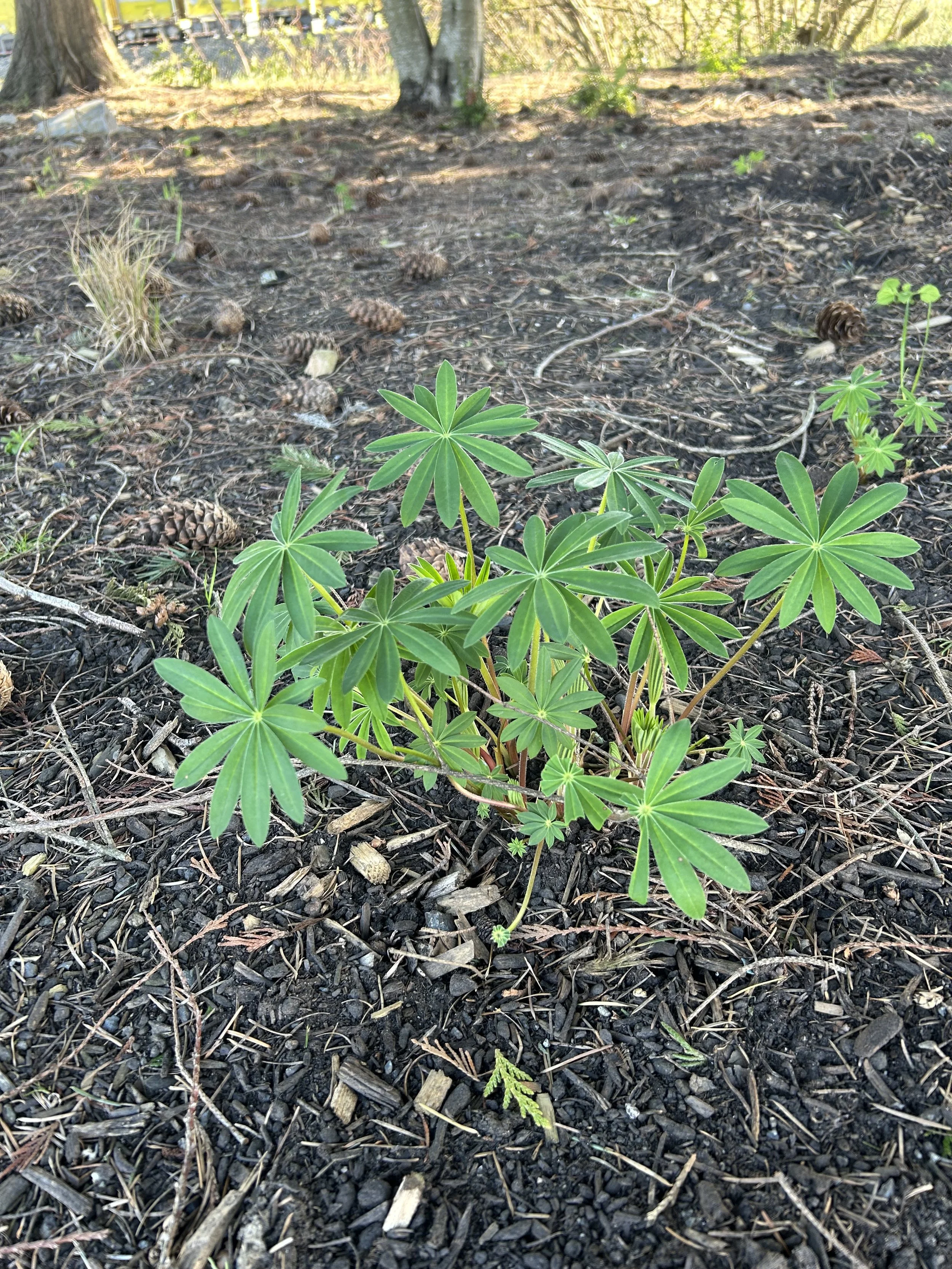
Plants are a key part of what makes this landscape function. At the Flood Safety District campus, plant selection wasn’t just about aesthetics; it was about building a system that supports water management, soil health, and habitat.
One of the biggest differences between traditional turf and native plants is what happens below ground. The shallow root system of turf does not provide the infiltration capabilities that the deep root systems of native plants provide. These deeper roots improve soil structure, increase infiltration, and allow plants to access water during dry periods. Native plants also play an essential role in supporting pollinators and wildlife. By providing nectar, seeds, and shelter, they help sustain the insects and animals that are part of a healthy ecosystem.
The plant palette for this garden focuses on Pacific Northwest natives that are well-suited for local conditions and provide year-round ecological value. A few key species include:
Osoberry (Oemleria cerasiformis) - one of the earliest blooming shrubs in the region, it provides critical early-season nectar for pollinators.
Oregon sunshine (Eriophyllum lanatum) - a drought-tolerant perennial with bright yellow blooms that attract pollinators throughout the summer.
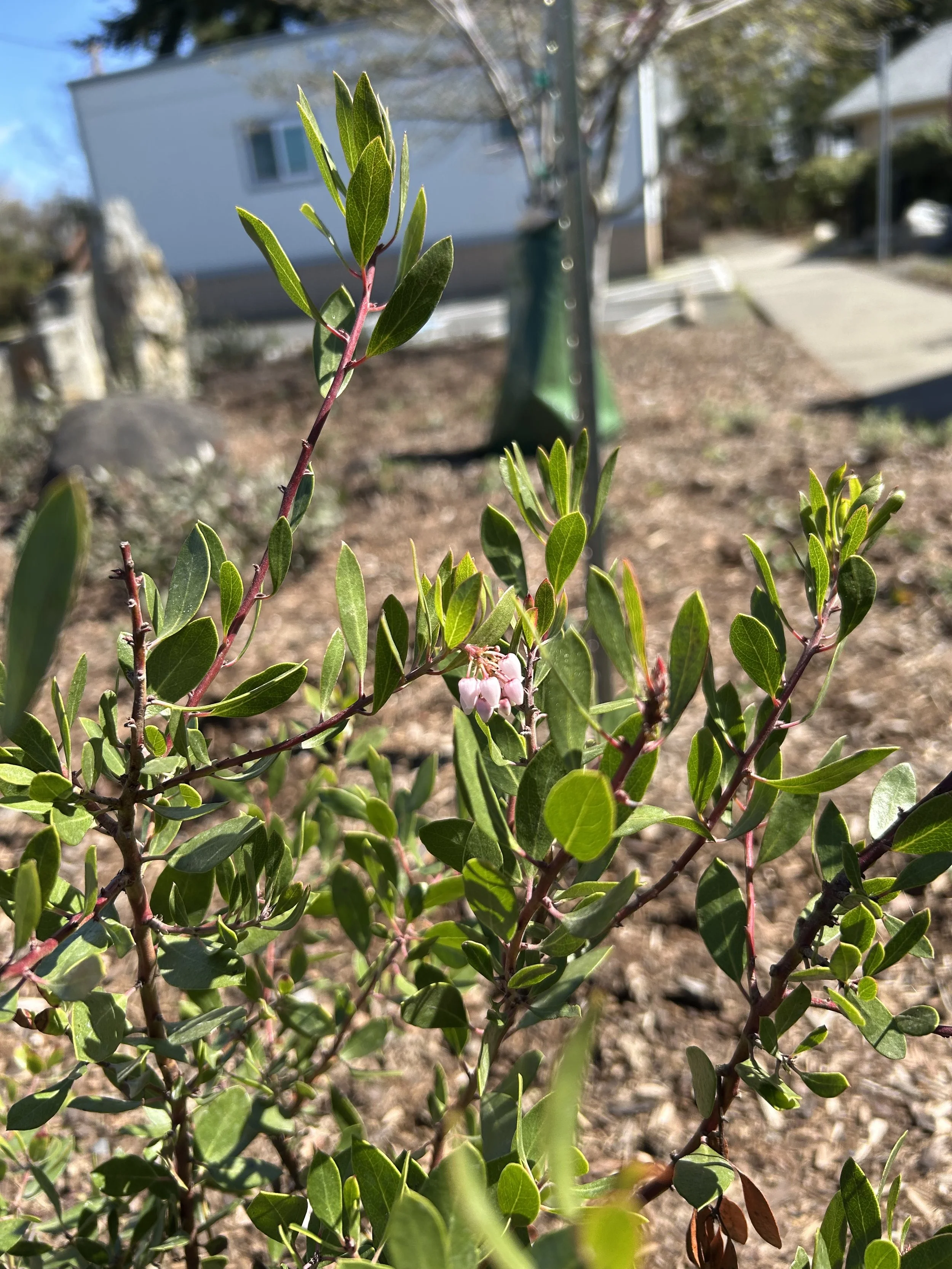
Kinnikinnick (Arctostaphylos uva-ursi) - A low-growing evergreen groundcover that helps stabilize soil, retain moisture, and provide habitat near the ground layer.
Hairy manzanita (Arctostaphylos columbiana) - A hardy shrub with deep roots that offers flowers for pollinators and berries for wildlife.
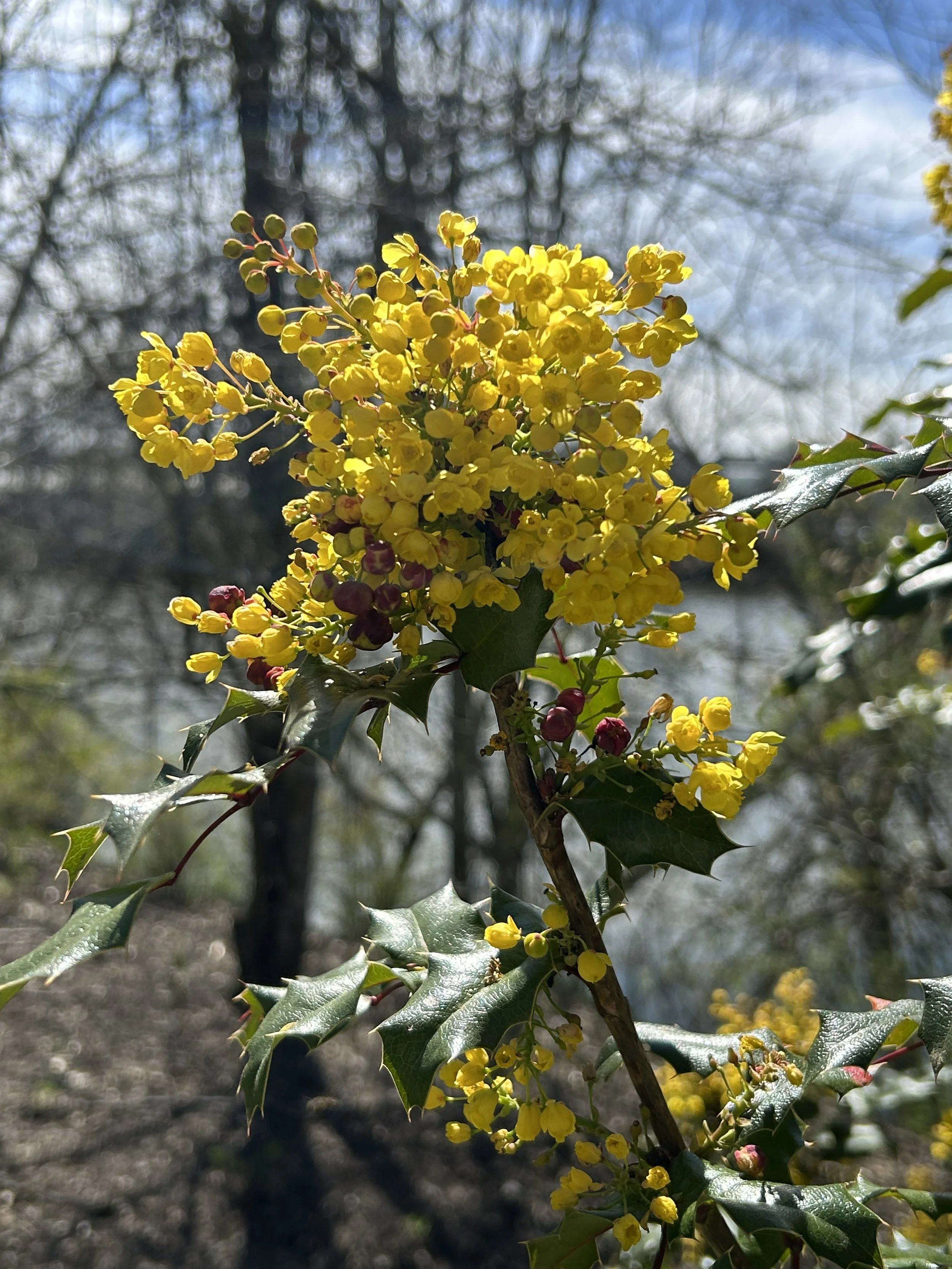
Tall Oregon grape (Mahonia aquifolium) - A versatile shrub that provides early nectar for pollinators, dense cover for birds, and seasonal interest with its glossy foliage and berries.
These species were selected not only for their ability to thrive on-site, but also for their role in supporting the ecological goals of the project.
Many of the strategies used in this garden can be applied at a smaller scale. Reducing lawn areas, incorporating native plants, and building healthy soil can all help create landscapes that use less water, support habitat, and require less maintenance over time.
Looking Ahead
This project is an ongoing partnership between the Flood Safety District, Columbia Slough Watershed Council, and Phoenix Habitats. Work will continue over the next year as the landscape establishes and evolves.
Be sure to follow along on social media and our blog for future updates as we continue to share lessons learned and watch the space blossom!